OCMT 2023
-
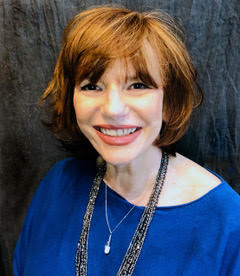
Dr. Diane Austin, LCAT (Keynote)
Dr. Diane Austin, LCAT is the Director of the Music Psychotherapy Center in NYC, NY, where she has maintained a private practice in Vocal Psychotherapy, in-depth psychotherapy, music/creative arts therapy, and supervision for more than 40 years. She is an adjunct associate professor at New York University in the graduate music therapy department and is…
-
Piloting a Program: Music Therapy in a Psychiatric Emergency Department
This presentation highlights the evolution of a psychiatric emergency department music therapy program over the course of ten months. Due to the high acuity of the patients, music therapists were referred to provide immediate intervention to reduce anxiety and promote relaxation and emotional support for the patients. Two music therapists and a music therapy intern…
-
Music Therapy and Dementia: The Importance of Dignity
Dementia is a symptom rather than a cause. Therefore, it may look different in every person. Experiencing dementia can be bothersome or even terrifying to the individual. Older adults often feel as though they are excluded from various parts of society, but this is particularly amplified among those living with dementia. As an individual with…
-
The Efficient and Effective Practice – Using a Music Therapy Cloud documentation, Curriculum, and Practice Management Software
Evidence-based documentation is essential for music therapists in 2023, for presenting and forwarding our profession. No matter where you are located, clinical reports need to demonstrate the efficacy of our work. This software was tailored by music therapists for use in private practice, schools, centers and clinics. It will allow you to focus on assessments,…
-
Exploring the Response of 5th-Year Medical Students to Music Therapy
“While medical students devote their lives to the science of helping others, all too often the stress of insurmountable study demands, sleep deprivation, the pressure of student loans, and social isolation makes campus life a struggle” (SADAG, 2017). This quote underpinned a call from the South African Depression and Anxiety Group to urgently attend to…
-
What Sound Does a Cat Make in Cantonese?
In this presentation, I wish to examine the notion of translation and question the need for an interpreter in music therapy settings. Through reflecting on a therapeutic relationship between myself, an Israeli music therapist working in the US, and a Chinese American family (two parents, a grandmother, and their 2-year-old infant, with increased likelihood of…
-
Music and Imagery Therapy as a Treatment Approach for Anxiety and Depression
Over the past years, the prevalence of anxiety and depression across various client groups has reached new levels and accessible treatment approaches are absolutely essential. The development of the continuum model has been an invaluable addition to existing Guided Imagery and Music (GIM) practices as the various methods within the model allow the therapist to…
-
Shared Humanity: Exploring Reflexivity in Collaborative Intercultural Music Therapy
To what extent do our beliefs and attitudes, shaped from within our own cultural experience influence our positions and intentions as we approach music therapy consultation research in a different sociocultural context? What might be the impact of our presence on the study’s process and findings? Are we ready to relinquish the role of the…
-
Music for Inclusion and Social-Emotional Learning in Higher Education
The success of Higher Education as an effective learning environment rests on establishing an inclusive context that promotes lifelong learning opportunities. Socio-Emotional Learning (SEL) skills are considered fundamental competencies for development through which individuals acquire the ability to make decisions, collaborate, be prosocial, communicate effectively, and manage emotions. Although universal SEL programs (e.g. cognitive behavioral/…
-
Dr. Gro Trondalen, PhD, Music Therapist, Fellow of AMI (Keynote)
Gro Trondalen, PhD, Music Therapist, Fellow of the Association of Music Imagery, is a professor in music therapy and Senior Researcher at the Centre for Research in Music and Health (CREMAH) at the Norwegian Academy of Music in Oslo, Norway. Trondalen is an experienced researcher, music therapy clinician, teacher, supervisor of Master and Research Fellows…
-
Connecting Through the Voice: Reflections on Research and Clinical Practice in Dementia and Palliative Care
The voice is a core instrument in working with clients having dementia and those in palliative care. However, discussion on how the voice is used is often not singled out in clinical presentations, descriptive writing, or research studies. Further, singing gets lumped together as an intervention which may or may not include accompanying instruments, might…
-
Music, Music Therapy, and Peacebuilding in Sudan
Sudan is a country located in Northeast Africa, with a predominant influence from Arab culture. It faces ongoing internal arms conflicts while forms of therapy except physiotherapy are hardly available. In April 2019, there was the announcement of the President having been toppled after 30 years in power. In June 2019, there was a massacre…
-
“A Prison Without Walls”: Freedom, Consent and Agency in the Therapeutic Relationship
The sudden loss of freedom, personal space, and control is an incredibly stressful experience for those admitted to involuntary long-term care. While we Music Therapists have a unique potential to mitigate the trauma surrounding these admissions and to foster a sense of hope and agency in our clients, we also face some unique ethical dilemmas…
-
Neurodevelopment Throughout the Lifetime: Music Therapy Applications
This presentation examines the neurologically-informed music therapy philosophy and defines neurological principles including myelination and neuroplasticity. The major developmental stages are examined from a neurological standpoint in several domains including cognitive, social, emotional, sensory, and more. Music therapy applications will be discussed based on the neurodevelopmental timeline and important considerations for implementation. Discussion prompts will…
-
Memories to Melodies: Legacy Building Interventions in Pediatric Palliative Care
How can pediatric patients receiving palliative care and their families live a life filled with meaning, connection, and beauty, while simultaneously grieving the anticipatory loss of a life not fully lived? This presentation will explore the role of music therapy within the interdisciplinary team in pediatric palliative care and end-of-life care. Frameworks from the literature…
-
Music as Therapy: Using Music Sensory Orientation Training (MSOT)
This presentation introduces a case study about using Music Sensory Orientation Training (MSOT), one of the neurologic music therapy (NMT) techniques, with a teenager who has been living with epilepsy after a traumatic brain injury (TBI) caused by neurosurgery (brain surgery). This presentation illustrates the basic health conditions of epilepsy, sharing thoughts and ideas about…
-
The ABCs of MIDI – Intro to MIDI Controllers, Beat Pads, and Synths
MIDI controllers have been utilized for decades to record and perform, but are not commonplace in therapeutic spaces. Through live demonstration, experiential learning, and case examples, this presentation introduces participants to the use of MIDI controllers and Virtual Studio Instruments within therapy. The presentation presents music therapists with little or beginning knowledge about MIDI with…