
Music Therapy and End-of-Life Care for Adults: Evidence and Best Practices (Keynote)
In this presentation, Amy Clements-Cortés will accentuate the current state of music therapy practice and research with adults receiving end-of-life care.

In this presentation, Amy Clements-Cortés will accentuate the current state of music therapy practice and research with adults receiving end-of-life care.

Indra Selvarajah, the founding president of the Malaysian Music Therapy Association (MMTA), stands as Malaysia’s pioneer PhD-qualified music therapist. Her doctoral journey led her to Florida State University (FSU), where she specialized in medical music therapy as a government-sponsored scholar. Presently, she holds a position at University Putra Malaysia (UPM) and works extensively with the…
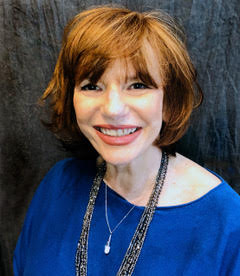
Dr. Diane Austin, LCAT is the Director of the Music Psychotherapy Center in NYC, NY, where she has maintained a private practice in Vocal Psychotherapy, in-depth psychotherapy, music/creative arts therapy, and supervision for more than 40 years. She is an adjunct associate professor at New York University in the graduate music therapy department and is…

Dr. Deforia Lane serves as Resident Director of Music Therapy at University Hospitals of Cleveland Ireland Cancer Center. With early intentions of pursuing a singing career, she completed her bachelor’s degree in vocal performance at the University of Cincinnati College Conservatory of Music and began graduate studies at the prestigious Curtis Institute of Music. She…

Recent brain research on early music development reveals findings that can be used to shape and inform music therapy practice. This presentation will explore specific research results from music cognition and music neuroscience studies as they relate to the more complex goal of helping young client’s develop identity and self. Presentation Description: Recent brain research…

“Dementia is an overall term for a set of symptoms that are caused by disorders affecting the brain. Symptoms may include memory loss and difficulties with thinking, problem-solving or language, severe enough to reduce a person’s ability to perform everyday activities. A person with dementia may also experience changes in mood or behavior” (Alzheimer’s Society…

This presentation highlights the evolution of a psychiatric emergency department music therapy program over the course of ten months. Due to the high acuity of the patients, music therapists were referred to provide immediate intervention to reduce anxiety and promote relaxation and emotional support for the patients. Two music therapists and a music therapy intern…

Neonatal music therapy is a well-established therapeutic intervention worldwide, with multiple studies demonstrating benefits for preterm infants’ neurodevelopment, parent-infant bonding, and reduction of parental stress and anxiety (Bieleninik et al., 2016; Haslbeck et al., 2020). Research also indicates the necessity for continuing health care-related programs with families of preterm babies after hospital discharge for both…

Numerous people are affected when a child dies- particularly caregivers. This can be a vulnerable time and families may benefit from increased psychosocial services to mitigate complicated grief. Legacy interventions, such as heartbeat songs and handprint pictures, may be a possible avenue to provide support and honor the life of a patient. However, few studies…

Adolescents have a wide variety of unique musical interests and preferences, including musical theatre. Teens who participate in musical theatre typically identify with these songs for many reasons, including finding themselves in the identity of the characters, and for the strong emotional resonance in songs. Musicals depict a wide variety of topics, including the emotional…

Dementia is a symptom rather than a cause. Therefore, it may look different in every person. Experiencing dementia can be bothersome or even terrifying to the individual. Older adults often feel as though they are excluded from various parts of society, but this is particularly amplified among those living with dementia. As an individual with…

As Bob Dylan wrote over 55 years ago “the times, they are a-changin’,” but have we? As the number of older adults within the United States is rapidly increasing, the proportion of music therapists working with this age group has remained relatively stable. In this presentation, we will discuss the diversity of aging adults and…
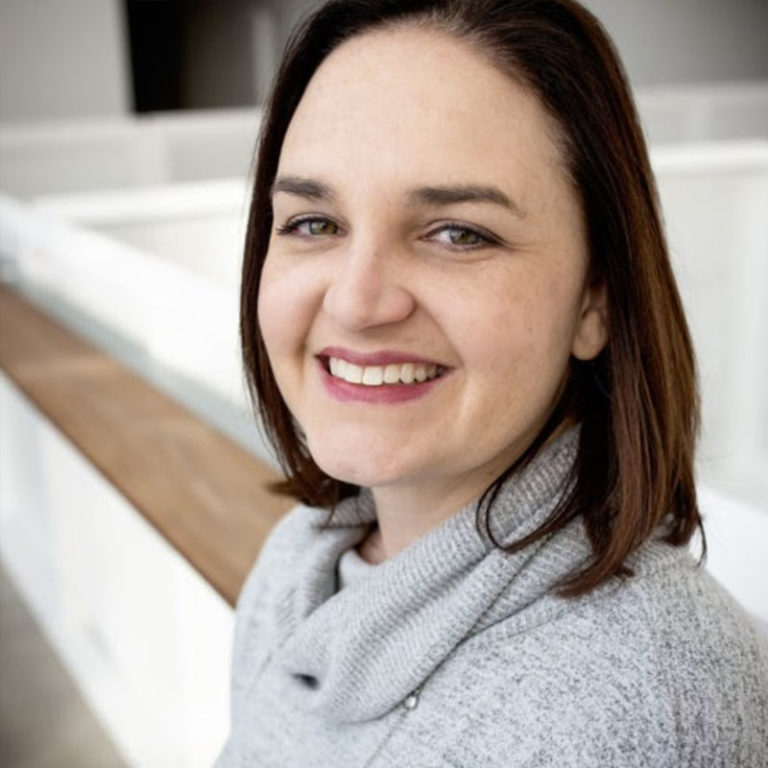
It is well documented in music therapy literature that older adults with primary and secondary aging benefit from music therapy. While literature exists in the music therapy area regarding adaptive lessons for young children, there are scant resources available for providing similar instruction for older adults. This presentation will discuss providing adaptive lessons as music…

The didgeridoo, rooted in ancient Aboriginal Australia, is not merely an instrument. While playing the didgeridoo may seem like a challenge, its therapeutic potential isn’t confined solely to its active play. Even perceptual listening possesses intrinsic therapeutic properties. At its therapeutic core, the didgeridoo engages the respiratory system with its distinct low frequency, vibrations, and…
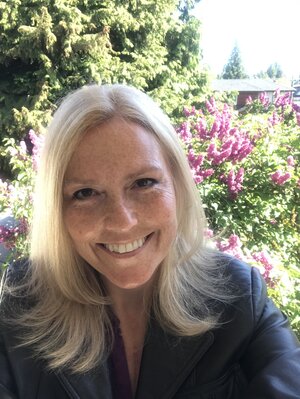
Evidence-based documentation is essential for music therapists in 2023, for presenting and forwarding our profession. No matter where you are located, clinical reports need to demonstrate the efficacy of our work. This software was tailored by music therapists for use in private practice, schools, centers and clinics. It will allow you to focus on assessments,…
In this professional and friendly online panel presentation, credentialed music therapists at different points in their careers will discuss their reflections and learnings on experiencing and emerging from the coronavirus pandemic. Panelist perspectives include a rural multidisciplinary clinic owner, the head of an international music therapy peak body, a music therapist who leads a team…

With many music therapists now utilising telehealth to deliver music therapy, a sound understanding of music technology is more important than ever. Telehealth challenges us to develop new and innovative ways of connecting, sharing and interacting. Presentation Description: This Masterclass will teach participants how to use Soundtrap to create music collaboratively online with a range…

This presentation is relevant to music therapists whose clients travel, for whom continuity of care is important. It is relevant for music therapists who would like to collaborate with another music therapist and share the care delivery for their clients. This presentation details the development of an intraprofessional collaboration and client sharing between two Registered…
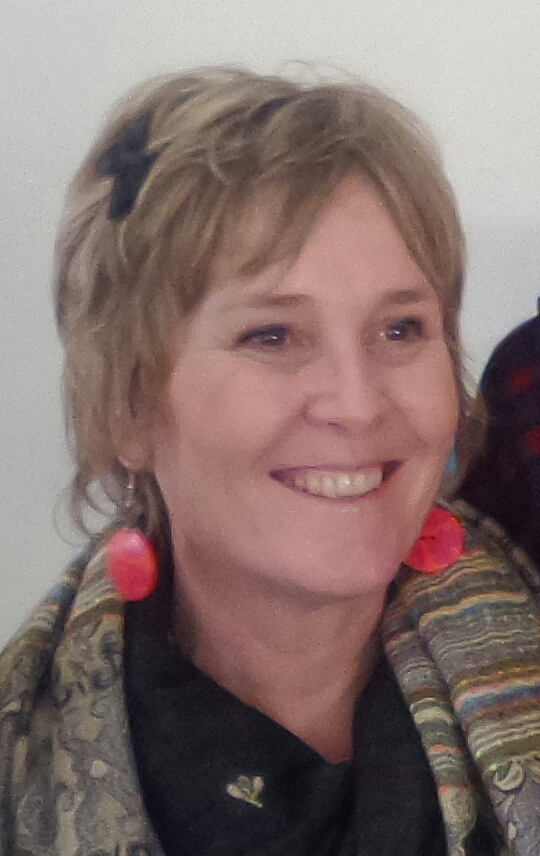
“While medical students devote their lives to the science of helping others, all too often the stress of insurmountable study demands, sleep deprivation, the pressure of student loans, and social isolation makes campus life a struggle” (SADAG, 2017). This quote underpinned a call from the South African Depression and Anxiety Group to urgently attend to…

Music therapists practicing in Australia seek supervision to support their professional practice and the maintenance of competencies. Best practice supervision guidelines for music therapists across the globe are limited and not always informed by an evidence base. This paper will present the history behind the development of a supervision framework for music therapists. Current evidence…
The COVID-19 pandemic has created challenges and difficulties for the music therapy field in various ways, but has also created the possibility of increasing interaction among music therapists, music therapy students and service users exploring the use of online global collaborations. This presentation seeks to explore the emergence of such groups and their potential importance…
This study will discuss how effective singing is as a music therapy technique for adolescents with depression to improve their emotional and psychological state or possibly manage to heal the patients. This can be achieved through different music therapy techniques that have been analyzed in the literature view of this study. In light of this,…

In this presentation, I wish to examine the notion of translation and question the need for an interpreter in music therapy settings. Through reflecting on a therapeutic relationship between myself, an Israeli music therapist working in the US, and a Chinese American family (two parents, a grandmother, and their 2-year-old infant, with increased likelihood of…
Embedded in the Nordoff-Robbins (NR) school of thought, this presentation will focus on the temporal aspect of improvisation in music therapy. In the first part, I will introduce a time-model that describes four temporal contexts employed by NR in supporting their clients’ musical engagement in joint improvisation. The model was based on the analysis of…

This presentation will follow a group music therapy intervention for unaccompanied minors residing in the ‘safe zone’ area of a transit refugee camp. The study investigated the prospect of the intervention as psychosocial support. The goals focused on self-regulation, coping skills, self-identity and group cohesion. Data collected from initial individual interviews, the Interest in Music…
This presentation describes the ongoing off- and online individual music therapy process with a middle-aged man with a neurological and short-term memory impairment, as well as partial right-sided paralysis and initial depressive symptoms. At the beginning of the therapy process in 2018, we met ” live ” – offline – for weekly sessions in a…
Over the past years, the prevalence of anxiety and depression across various client groups has reached new levels and accessible treatment approaches are absolutely essential. The development of the continuum model has been an invaluable addition to existing Guided Imagery and Music (GIM) practices as the various methods within the model allow the therapist to…

This presentation will look at the impact of expressive music therapy and dance therapy on the reconstruction of abused women with psychosomatic disorders. Background of the study: As part of our study, we investigate the degree of effectiveness of the music therapy and dance-therapy integration in psychosomatic disorder’s intervention for abused women aged between 18…

Dr. Vicky Abad is the Founding and Managing Director of Music Beat Australia, a multi-faceted business that provides community music, music early learning, music education and music therapy programs for children and adults of all abilities to support them to develop every day. Music Beat offers these services to over 500 clients each week. The…

Over time lots of complexity layers were added to music to limit people’s creativity. And a simple truth has been forgotten: everyone is musical by nature and everyone can speak a language of music. Our educational system is too focused on developing the “left side of the brain”. In music institutions, children are mostly taught…